
2 products
-

 ORGANIC TEA TREE ESSENTIAL OIL | ANTISEPTIC AND ANTI-LICE | 100% PURE AND VEGAN | LABIATAEORGANIC TEA TREE ESSENTIAL OIL | ANTISEPTIC AND ANTI-LICE | 100% PURE AND VEGAN | LABIATAE
- Regular price
-
Desde:
7,45 € - Regular price
-
- Sale price
-
Desde:
7,45 €
Quick view
-
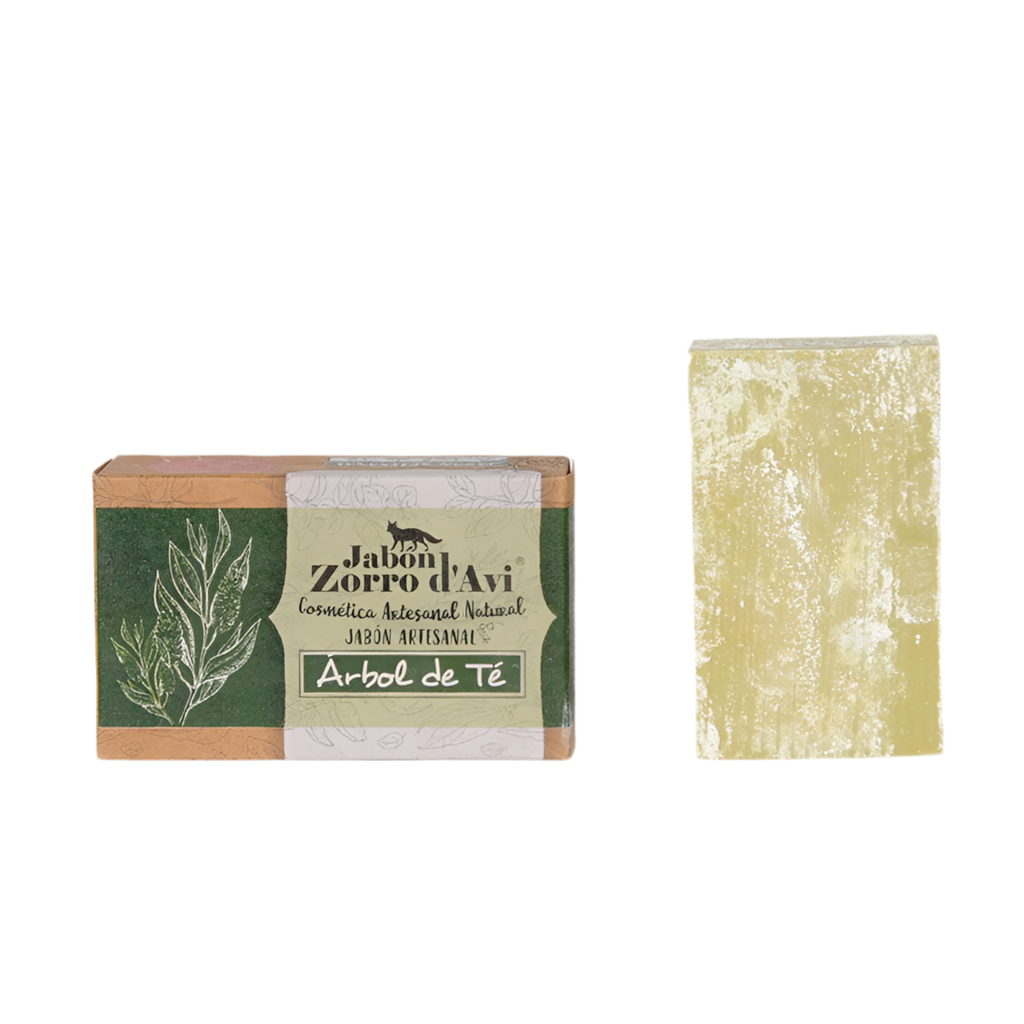
 TEA TREE SOAP | DISINFECTANT, ACNE AND ANTI-LICE | VEGANTEA TREE SOAP | DISINFECTANT, ACNE AND ANTI-LICE | VEGAN
- Regular price
-
7,82 € - Regular price
-
- Sale price
-
7,82 €
Quick view


Anti-lice
Head Lice Treatment: A Complete Guide to Effective Treatments and Prevention
Head lice are parasites that primarily affect the human scalp, causing itching and discomfort. There are several types of lice, the most common being head lice, which are easily transmitted through direct contact or via shared personal items. Various treatments, both chemical and non-chemical, are available to combat head lice infestations. Understanding the characteristics of these parasites, as well as prevention methods, is essential to avoid their spread.
In addition to conventional treatments, more and more people are opting for natural and ecological options, such as products made with tea tree essential oil, known for its anti-lice, antiseptic and scalp-protective action.

Characteristics and life cycle of lice
Head lice are parasites that live on the human scalp and have a well-defined life cycle. Understanding their characteristics is essential for their effective elimination.
Types of lice that affect the scalp
There are several types of lice that can infest humans. The main ones are:
● Pediculus humanus capitis: This is the type commonly found on the scalp, especially in children. It feeds on blood and is responsible for itching.
● Pediculus humanus corporis: Although it rarely affects the scalp, it can cause problems in situations of overcrowding and lack of hygiene.
● Pthirus pubis: Known as the pubic louse, it is mainly transmitted through sexual contact and is found in the genital area.
How are lice spread?
These parasites are primarily transmitted through direct head-to-head contact, which is common among children. Other methods of transmission include:
● Sharing personal items such as combs, hats and scarves.
● Interaction with surfaces where lice have been lodged, such as chairs, sofas or pillows.

Identifying nits and common symptoms
Identifying an infestation early is crucial for effective treatment. The most common symptoms are:
● Intense itching of the scalp.
● Skin irritation and redness.
● Presence of nits attached to the hair, especially behind the ears and on the nape of the neck.
● Sensation of movement in the hair.
Chemical treatments to eliminate lice and nits
Chemical treatments are widely used options to effectively eradicate lice and nits.
We do not recommend them because synthetic chemicals such as permethrin (discussed below) have scientific studies (MDPI, PubMed or Cb.Imsc.res.in) that suggest it may have endocrine-disrupting activity, even though there are others, such as the US EPA, which in its review says that no significant toxicological evidence of endocrine-disrupting effects in humans was found, although they indicate that more specific tests may be necessary to better characterize these effects.
Anti-lice lotions: composition and use
Permethrin and its effectiveness
Permethrin acts on the nervous system of the louse and is usually effective in applications of 10 to 15 minutes.
We do not recommend it because there is experimental scientific evidence that suggests that permethrin can act as an endocrine disruptor in biological models (e.g., by interacting with hormone receptors or altering hormonal axes).
This does not mean that it is categorically classified as an endocrine disruptor in all human regulatory systems — some agencies recognize conflicting or insufficient results for a definitive classification.
Malathion for resistant infestations
Malathion is a more potent treatment, recommended when other methods have not worked.
We also do not recommend it since, according to PubMed - "There are indications of weak hormonal activity in in vitro assays and endocrine alterations in animals (fish, rats) under experimental exposure conditions," and even the US EPA and other agencies have included malathion in screening programs for potential endocrine activity, without confirming a definitive categorization
Formulas for sensitive skin
There are lotions with specific formulations for atopic skin, designed especially for children.
Anti-lice shampoos and natural alternatives
Lice shampoos are a practical and widely used solution. We recommend checking the shampoo's ingredients if you have a sensitivity to any chemicals or wish to avoid them in the lice treatment process.
At this point, natural alternatives based on tea tree oil also stand out, ideal for both treatment and prevention.
Tea tree shampoo and soap: natural protection
Tea tree oil is known for its antibacterial, antifungal, and antiparasitic properties. Its aroma acts as a natural repellent, helping to prevent new infestations.
A very interesting option is Tea Tree Soap , which can be used regularly for scalp hygiene. This type of soap helps keep hair clean, reduces oiliness, and creates a less favorable environment for lice, making it especially useful as a preventative measure for children.
Tea tree essential oil as an anti-lice supplement
Organic Tea Tree Essential Oil, with its antiseptic and anti-lice properties, is a great ally in both treatment and prevention. It can be used:
● By adding a few drops to your usual shampoo.
● Diluted in water to apply as a daily protective spray.
● Combined with combing with a nit comb to reinforce the elimination of lice and nits.
This natural approach is especially valued by families looking for alternatives without chemical insecticides.
Regarding tea tree essential oil, there is currently evidence suggesting that compounds present in the tea tree may interact with hormone receptors (endocrine.org), but there is no solid epidemiological evidence to support that tea tree oil causes endocrine disruption in humans (e.g., gynecomastia), and the reported cases are insufficient to confirm a causal effect (ScienceDirect).
Non-chemical treatments and physical methods
Lice combs and lice removers
Lice combs allow you to remove lice and nits manually and effectively. It is recommended to divide the hair into sections and run the comb from the roots to the ends, cleaning it after each pass.
Cleaning and care to prevent re-infestations
● Wash clothes, sheets and accessories in hot water.
● Maintain constant scalp hygiene.
● Disinfect combs and brushes after each use.
Prevention and protection against the appearance of lice
Daily measurements in school-age children
● Weekly hair checks.
● Avoid sharing personal items.
● Regular use of preventative products.
Natural preventative products
Continued use of tea tree soaps and essential oils helps keep the scalp protected. They are especially recommended during periods of increased risk, such as back-to-school time.
Head lice treatment products available on the Spanish market
There are numerous chemical and natural options available. Among the natural alternatives, tea tree oil products stand out for their good tolerability and preventative effectiveness, making them an excellent choice for families who prioritize organic and vegan ingredients.
Tips for caring for children's scalp
● Always follow the product instructions.
● Perform sensitivity tests.
● Choose gentle and natural formulations whenever possible.
● Avoid aggressive treatments in children under two years of age without medical supervision.
At Alma Eko we work every day to offer anti-lice solutions made with natural and organic ingredients, designed for those seeking effective protection that is gentle on the scalp and committed to sustainable care.


